Stop Waiting: Understanding the Gap of Closing Speed Difference Private vs Bank Commercial Loan
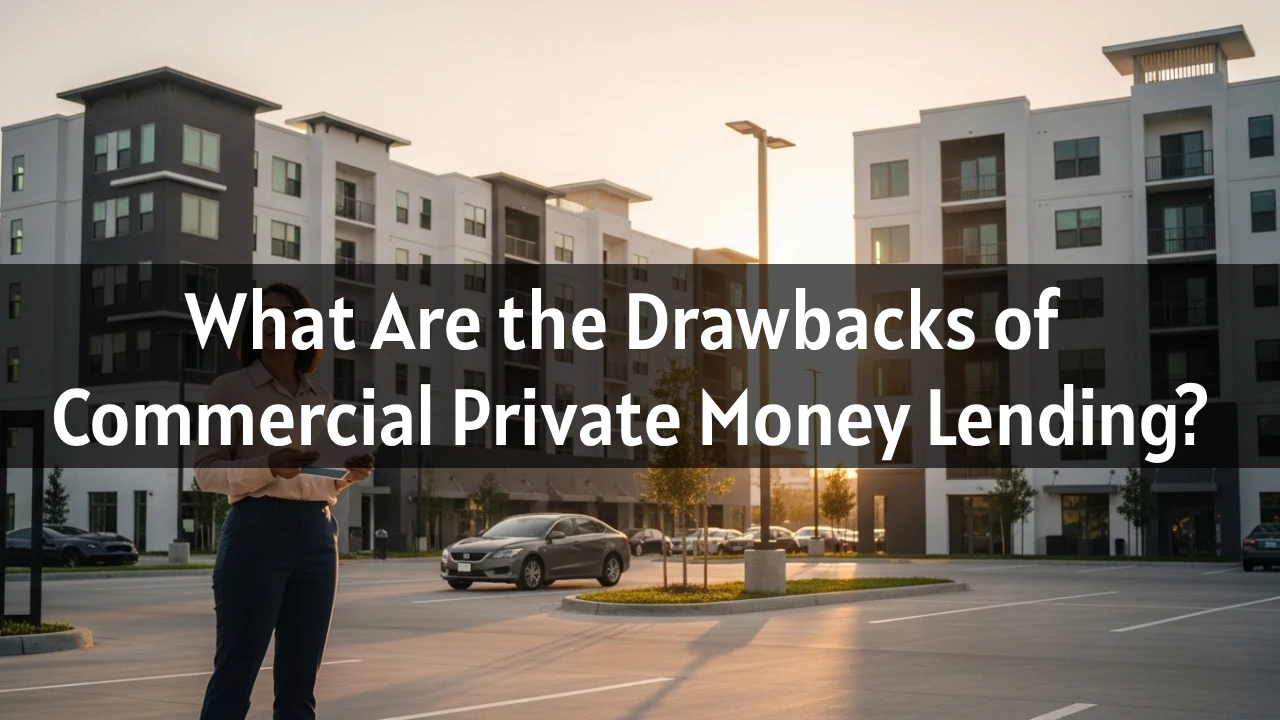
Elias stood in the dusty parking lot of a 120-unit multifamily complex in central Florida. The sun was setting, and he held a signed contract in his hand. The price was perfect. The location was prime. But the seller was nervous. Three other buyers had already failed because their banks couldn’t move fast enough. The seller gave Elias a simple ultimatum: "Close in fifteen days or lose the deal."
Elias knew his local bank would take sixty days just to open his file. He needed a different path. He needed to understand the difference in closing speed between private and bank commercial loans.
This is the reality of commercial real estate in 2026. Capital is available, but time is scarce. For thirty years, we have sat in the underwriter’s chair. We have seen thousands of deals live or die based on the clock. At Commercial Lending USA, we operate as a correspondent and table lender. We are not just a middleman. We are a financial consultancy built on three decades of technical expertise.
Our platform connects more than 1,000 private lenders, investors, realtors, and brokers. We see the gears turning inside the engine of the American economy. The gap between traditional banks and private lenders has never been wider. In 2026, banks are struggling with new regulations and a "risk-off" mentality. Meanwhile, private capital has stepped in to save the day.
The Quantitative Reality: Bank vs Private Lender Commercial Loan Closing Timeline
To understand the gap, we must look at the numbers. Statistics from the Mortgage Bankers Association (MBA) and the Federal Reserve show a stark contrast. Banks are built for safety. Private lenders are built for execution. This difference shows up in every stage of the process.
Comparative Closing Timelines for 2026
Milestone | Traditional Bank Process | Private/Correspondent Lender |
Initial Quote/LOI | 7 – 14 Business Days | 24 – 48 Hours |
Full Underwriting | 30 – 60 Days | 3 – 7 Days |
Third-Party Reports | 4 – 6 Weeks | 1 – 2 Weeks |
Credit Committee Review | Weekly/Multi-layered | Immediate/Direct |
Closing/Funding | 45 – 120 Days | 5 – 14 Days |
Success Rate | ~68% (Large Banks) | ~90%+ (Asset-based) |
The numbers tell a clear story. If you need urgent commercial loan financing, private lenders with faster closing are often your only viable option. Large banks are currently approving only 68% of small business loan applications. This means nearly one in three borrowers waits months only to be rejected. In a fast-moving market, that is a recipe for failure.
The average closing time for private commercial property loans is often less than 2 weeks. This speed comes from a focus on the asset. Banks look at your past. They look at your tax returns from three years ago. Private lenders look at the property’s future. They look at the "as-stabilized" value and your exit strategy. This shift in perspective removes weeks of unnecessary data gathering.
Why Do Private Commercial Loans Close Faster Than Banks?
The delay in the banking system is not accidental. It is structural. The FDIC and the OCC heavily regulate banks. They are managing depositors' money. This means every loan must go through a gauntlet of "if-then" logic.
The Regulatory Anchor
Traditional banks are bound by the Debt Service Coverage Ratio (DSCR). In 2026, most banks require a minimum DSCR of 1.25x for any commercial approval. Verifying this requires a mountain of paperwork. They need current rent rolls and verified operating statements. They need to see that the property can pay for itself today.
But what if the property is a "fix and hold"? What if it is a vacant hotel being converted to senior housing? The current DSCR is zero. The bank stops. They cannot move forward until the property is finished. This is where the expedited commercial loan closing process private equity offers become essential. Private lenders are "collateral lenders." They aren't scared of a vacant building if the land value and renovation plan make sense.
Is Your Bank the Real Reason You Are Losing Real Estate Deals?
In a bank, the person you talk to is rarely the person who says "yes." Your loan officer is a salesperson. They collect your papers and send them to a processing team. The processing team sends them to an underwriter. The underwriter sends them to a credit officer. Finally, it goes to a committee.
At Commercial Lending USA, we have thirty years of experience as underwriters. We know what the final decision-maker wants to see. Our platform connects you directly to the source of capital. We bypass the committee. We talk directly to the fund managers who have "dry powder" ready to deploy. This direct connection is what makes private commercial loans close faster.
Why relationship lending is failing at big banks
Harvard research indicates that access to bank credit for small businesses has been in steady decline. Banks have shifted their focus to more profitable, larger market segments. This leaves the mid-market investor in a "funding gap." While banks claim they want your business, their internal metrics often prioritize automated "no" over manual "yes."
Factors Affecting Commercial Loan Closing Speed: Private vs Bank
Many variables determine how fast your money hits your account. Understanding these factors can help you how to speed up commercial loan closing with private capital.
The Role of Third-Party Reports
One of the biggest bottlenecks in 2026 is the appraisal. Banks have a "rotation" of approved appraisers who are often overworked. They may take four weeks to deliver a report. Banks cannot waive this. It is a federal requirement.
Private lenders have more flexibility. They can often use "evaluation" reports or desktop appraisals for bridge loans. They may use a smaller, faster pool of specialized commercial appraisers. They focus on the "liquidation value" and the "after-repair value" (ARV). This can save twenty days of waiting.
Technology and the Digital Shift
We are seeing a massive shift in how loans are processed. At the institutional level, companies are using automation to evaluate risk. However, large banks often use this technology to find reasons to say "no" faster. They use it to flag tiny inconsistencies in your credit report.
Private lenders use technology for speed. They use AI-driven platforms to provide near-instant online decisions. They use automated document verification to clear "lite-doc" loans in forty-eight hours. This technological gap is a primary reason for the commercial loan closing speed comparison bank vs private.
Will the 2026 "Debt Wave" Leave You Without Financing?
We must look at the broader economy to see why speed is so critical right now. According to the Mortgage Bankers Association, an estimated $957 billion in commercial mortgage maturities are due in 2026.
The Maturity Wall
Year | Maturing Debt (Estimated) | Market Driver |
2024 | $498 Billion | Multifamily Rebound |
2025 | $650 Billion | Interest Rate Stabilization |
2026 | $957 Billion | The "Debt Wave" |
This "debt wave" means banks will be flooded with refinancing requests. They will be overwhelmed. Their "weeks" will turn into "months." If you are an investor looking to make an acquisition, you will be competing for attention with a thousand other people trying to refinance their existing buildings.
Private capital shines here. Private debt funds have record levels of "dry powder". They are looking for new opportunities. They are not bogged down by the same "maturity wall" as the big banks. According to S&P Global, private credit is becoming more complex and bespoke. This means they can create a loan tailored to your project's needs while the bank is still reviewing your 2023 tax returns.
Can You Afford the Disadvantages of the Slow Bank Commercial Loan Closing Process?
Waiting for a bank is not just annoying; it's frustrating. It is dangerous for your business.
- Rate Volatility: In 2026, interest rates can shift in a matter of days. If the bank takes sixty days to close, the rate you were quoted in January might be gone by March.
- Seller Fatigue: Sellers want their money. If you keep asking for "one more week," the seller will stop trusting you. They may keep your earnest money and move to a cash buyer.
- Missed Cycles: Real estate moves in cycles. If you miss the "buying season" because your loan is stuck in a committee, you might buy at the peak of the next price hike.
- The "Closing Risk" Premium: Oxford University research shows that "closing risk" is a major driver of price premiums. A buyer who can close quickly can often get a 3.78% discount on the purchase price because they provide certainty to the seller.
Why Do Successful Investors Choose Private Money First?
Most successful real estate developers use private money to purchase real estate and then seek traditional long-term bank financing after closing. This is the "Bridge-to-Permanent" strategy.
By using a private lender, you experience the "pleasure" of certainty. You know on Day 03 that your loan is solid. You don't have to worry about a credit committee meeting on a Friday afternoon. You can focus on your renovation plan. You can hire your contractors.
The "75 Loan Options" Menu at Commercial Lending USA
We offer a variety of 75 loan options because every project has its own heartbeat.
- Bridge and Hard Money: The ultimate tools for speed. These can close in as little as 7 to 14 days.
- DSCR and No-Doc Loans: Perfect for rental investment property or multifamily investment property. We look at the property’s rent, not your personal income.
- SBA and USDA Loans: These offer the lowest rates but the slowest timelines. An SBA 504 loan might take 60 to 90 days. We suggest using a private bridge loan to buy the asset first, then transitioning into long-term government financing.
- Specialized Loans: We handle ground-up construction, land development, fix-and-flip, assisted living investment, hotel investment, and more.
How Long to Close a Private Commercial Loan vs Bank Loan?
When we compare the bank vs private lender commercial loan closing timeline, we are looking at two different worlds.
The Small Business Loan Reality
If you are a small business owner looking to invest in commercial space, a bank loan is the way to go. But comparing closing periods for business loans bank vs private, shows a massive gap.
Service Feature | Traditional Bank Business Loan | Private Business/Bridge Loan |
Prequalification | 5 – 10 Days | 30 Minutes |
Hard Credit Pull | Required Immediately | Soft Pull Initially |
Collateral Requirements | Personal Assets/Guarantees | Property-focused |
Funding Timeline | 30 – 90 Days | 3 – 10 Days |
Interest Rates | 6% – 11% | 9% – 13% |
Yes, the private loan has a higher interest rate. But consider the "opportunity cost." If you wait ninety days for a bank loan and the building sells to someone else, your interest rate is effectively zero because you have no deal. The benefits of a quick private commercial loan closing far outweigh the extra interest rate.
Exploring Every Asset Class: From Land to Senior Housing
Our expertise at Commercial Lending USA covers the entire spectrum of real estate. We understand the unique challenges of different projects.
Purchasing Land and Development
Buying land is risky for banks. They often want 50% down and proof of permits. We offer land purchase and land development loans that focus on the "highest and best use" of the site. Whether it is ground-up construction for residential development or a commercial plaza, we find capital that understands the value of the dirt.
Specialized Investments: Hotels, Motels, and Restaurants
Hospitality is a fast-moving sector. If you find a motel investment at a bargain price, you can't wait for a bank’s "hospitality specialist" to fly in. We have lenders in our network who specialize in hotel investment and restaurant investment. They understand seasonal cash flows and close fast.
The Silver Tsunami: Senior Housing and Assisted Living
Assisted living and senior housing investments are growing sectors in 2026. These properties are highly regulated. Banks are often terrified of the liability. Our private capital partners provide construction and term loans to developers building for the aging population.
Are You a Broker Tired of Losing Commissions to Slow Banks?
We aren't just here for the investors. We are a partner to realtors and brokers. We offer both exclusive and non-exclusive referral programs.
If you are a realtor with a client who just got denied by a bank, don’t let the deal die. Bring it to us. We can underwrite it with our 30 years of expertise. We help you look like a hero. Your client gets the building, and you get your commission. We work with both experienced brokers and new entrants to the industry. Our platform provides the tools you need to understand the fastest closing time for commercial real estate loan private lender offerings.
Why Brokers Choose Commercial Lending USA
- Direct Access: Talk to underwriters with thirty years of experience.
- Speed: Stop losing deals to slow bank committees.
- Diversity: Access 75 different loan products in one place.
- Support: We handle the complex paperwork so you can find more deals.
The Underwriter's Secret: How to Win Every Time
As a 30-year veteran underwriter, I tell my clients there are three things they can do to ensure the fastest closing possible.
1. Be "Document Ready."
Even for a no-doc loan, you need the basics. Have your LLC documents ready. Have a clean, one-page summary of the deal. Have high-quality photos of the property. The faster you give us the info, the faster we can move.
2. Have a Clear Exit Strategy
Private lenders are bridge lenders. They want to know how you are going to pay them back. Are you going to sell the property? Are you going to refinance with a bank in twelve months? If you can explain the "exit," the lender will move faster.
3. Work with a Consultancy
Don’t try to call 1,000 lenders yourself. You don’t have time. Work with a correspondent lender like Commercial Lending USA. We know which lenders are "hungry" this week. We know which lenders just closed a big fund and need to put money to work. We do the "matching" for you.
Conclusion: Stop Waiting and Start Growing
The closing speed difference between private and bank commercial loans is the difference between a growing portfolio and a stagnant one. In 2026, the winners are those who can navigate the "debt wave" with agility.
Don't let a slow bank committee determine your financial future. Use the thirty years of underwriting expertise at Commercial Lending USA. Tap into our network of 1,000+ lenders. Choose from our 75 loan options. Whether you are a broker looking for a referral program or an investor looking for your next project, we are here to provide the speed, certainty, and consulting you need.
Elias closed on his Florida complex in fourteen days. Today, that property is worth 30% more than he paid for it. He didn't win because he was the smartest person in the room. He won because he understood that in commercial real estate, speed is the ultimate currency.
Stop Waiting. The market is moving. Are you?
FAQs
Do private lenders require personal credit checks?
Yes. While we focus primarily on the property's value and income potential, a personal credit score of 650 or higher is typically required. This helps our underwriters verify your financial reliability and ensure a smooth, successful, and professional final closing.
Can I finance raw land for development?
Yes. We offer specialized land purchase and development loans tailored to your project. Unlike traditional banks that demand high down payments, our asset-based approach focuses on the land's future value and your own specific strategy for highest and best use.
Is 100 percent financing available for investments?
No. Most commercial real estate loans require a down payment of at least twenty percent. However, some specific programs, like hard money, can cover up to 95% of the purchase price, significantly reducing your initial out-of-pocket cash requirements.
Do I need a business entity to apply?
No. You can apply for a commercial real estate loan as an individual or as a formal business entity, such as an LLC. We provide the same expert underwriting and diverse loan options to help you secure the capital you need.
Are bridge loans eligible for bank refinancing?
Yes. Many successful investors use the "Bridge-to-Permanent" strategy, which involves securing a property quickly with private capital first. Once the asset is stabilized, we help you transition to long-term bank financing with lower interest rates and stable, reliable monthly payments.
0 Comments
Leave A Comment